


 |

Air medical transport can be understood in terms of urgency: the patient’s needs are critical, the air ambulance is a specialized asset, and the critical care team comprises a specialized medical crew delivering patient care at an altitude of 35,000 feet.
That image is accurate, but incomplete. Behind every effective medical air evacuation is a team of individuals who contribute to the success of the mission.
The face of air medicine is usually the flight doctor, nurse and the critical care paramedics. It takes a unique combination of emergency medicine skills, the physiology of flight, risk management, and interpersonal skills to address patients and their families in the face of extreme stress. Their performance is only possible because of the supporting operational architecture that surrounds them. As a company closely involved in aeromedical dispatch, Medical Air Service has observed the performance dynamics of this group firsthand.
The clinical team in the air
Any medical flight begins with a clinical assessment. The doctors, nurses and critical care paramedics who fly aboard must be able to treat a patient suffering from trauma, cardiovascular emergencies, respiratory distress, neurological emergencies, neonatal complications, and various conditions requiring an in-hospital setting. The flight environment provides limited space in the patient compartment, irregular pressure changes, vibration, temperature variations, and irregular flight paths.
Crucially, they also possess specialized knowledge of aviation physiology. They understand the impact of altitude on the patient’s oxygen levels, the role of cabin pressure in calculating drug dosages, and the factors that contribute to the destabilization of the critically ill patient under the stresses of air transport. All of this has to be factored in simultaneously.
In certain missions, the patient may be accompanied by the mission’s physician when specialized care is needed. However, this makes mission planning even more complex due to the additional equipment and medications involved. The physician also provides specialized care for the patient. This increases the level of skills applied to the mission.
These professionals represent the frontline, but their actions only work because the entire operation below them is equally prepared.
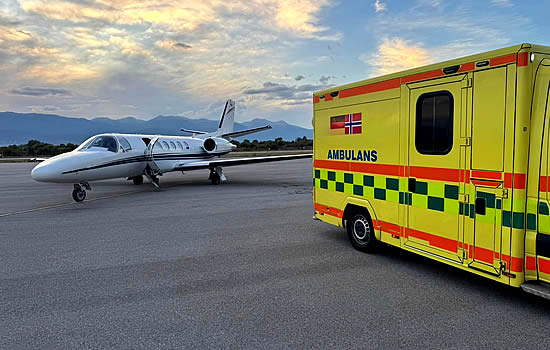
The air medical dispatchers who orchestrate every detail
Dispatchers are the architects of medical flight transport. The nature of their job has been perceived as strictly administrative, when in fact it involves technical knowledge and proficient risk management skills.
The dispatcher has the task of assessing weather conditions, the aircraft’s flight capability, the flying crew’s work hours, air restrictions, airport availability, flight and landing permissions, and, most importantly, the patient’s medical condition. They communicate with hospitals, ground ambulance services, border control officials, and relatives to coordinate the entire transport process.
They also serve as the main point of communication for the clinical crew. If the patient worsens during the flight, the dispatch service can immediately divert the flight to an alternative airport or notify the destination hospital of the urgent situation.
Maintenance and safety
A medical flight can only occur if the planes are operational. The maintenance engineers are silent watchdogs of aeromedical safety. Their role is often behind the scenes, especially for the patient and many of the medical personnel involved. However, their role remains integral.
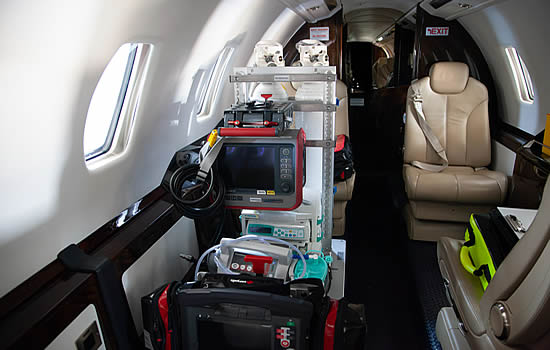
The technicians are involved in scheduled inspection work, unscheduled troubleshooting, avionics and engine exams, replenishment of the oxygen systems, reconfiguration of the cabin to meet the customer’s requirements, and incorporation of medical equipment. In contrast to executive aircraft used in charter flight transport services, the air ambulance must be able to support the power requirements of medical equipment that can be considered power-intensive. This equipment may be ventilators, infusion pumps, or even incubators.
The servicing review prior to each mission is thorough and not only verifies the airplane’s regulatory qualifications but also assesses the patient’s requirements for the flight. A trauma patient may require a larger-than-standard oxygen capacity level inside the craft itself, and the same goes for the power requirements of equipment entrusted to the care of newborn babies. These requirements are the difference-makers regarding patient transport.
Ground teams: The first and last link in patient care
Even before the first crew member embarks, a whole support staff is at work.
Once at the departing hospital, medical personnel provide the patient with necessary care prior to transport and carefully arrange the patient’s medical documents before the challenging transition from the bed to the ambulance. The ambulance personnel’s role then transitions to safely transporting the patient from the ground location, with airway management and stabilization during transport, often the first point at which it can be determined whether the patient is stable enough to fly.
The role of the ramp personnel at the airport involves loading medical stretchers aboard the aircraft and assisting with aircraft weight and balance calculations to support the additional medical equipment. Medical personnel need to interact effectively with both medical and flight crew when they understand the procedure being followed, which might not be the case in a typical flight. For instance, loading a sedated patient who has multiple IV lines and a ventilator would require the ramp personnel to modify the typical turnaround cycle.
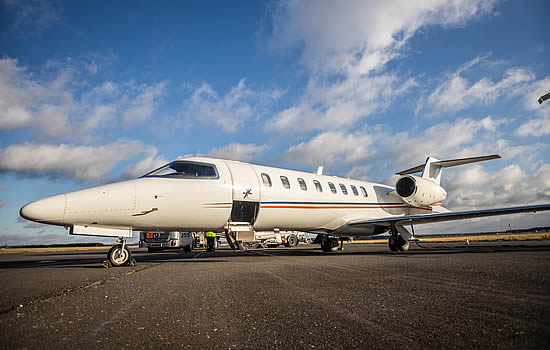
As the plane touches down, there’s a seamless transition from the air crew to the ground crew, which extends to ambulance crews and the receiving hospital. This can be crucial, as a single miscommunication can affect patient care.
The values that bind the workforce together
In each of these roles, there are principles that illuminate the culture of aeromedical transport: accuracy, communication, poise under pressure, and humility. All of the caregivers recognize that their part of the effort is only one chain of many. No single team “saves” a patient alone; the system does.
This approach has become crucial in the evolving field. The increasing trend of global evacuations, the rising number of evacuations over long distances, and advances in medical equipment have raised expectations. It’s no longer rare to see a patient in the ventilated intensive care unit being transported across continents, while neonatal transport using advanced incubators now seems routine.
However, the level of risk involved has not diminished. The margin for error is small, and the only way to meet this demand is to continue investing in the people who make these missions possible.
A call to acknowledge the full ecosystem
As someone involved in the operational heart of air medical transport, I see enormous value in giving visibility to the entire workforce that supports these missions. This group includes dispatchers, maintenance engineers, aviation personnel, ground ambulance personnel, airport handlers, medical staff at airports, physicians, and the administrative support group.
Their contributions rarely appear in the mainstream media, yet they are of the utmost importance. Air medicine is not an air ambulance and a patient; it’s a complex network of coordinated actions under controlled pressure. As the industry moves forward, recognizing this hidden workforce is more than a gesture; it’s a commitment to safety, quality, and the dignity of the patients placed in our care.
Medical Air Service provides worldwide medical evacuation and medical repatriation services, transporting patients who cannot be treated where they are and transferring them to the required destinations on board fast and medical jets or with medical escorts on commercial flights.


www.medical-air-service.com
BlueSky Business Aviation News | 18th December 2025 | Issue #824
